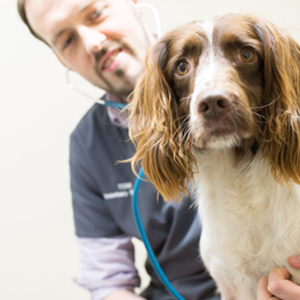
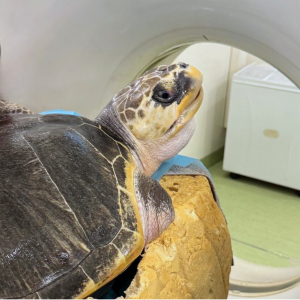
Computed tomography, (CT) is a very affective diagnostic tool used widely in veterinary medicine for detailed diagnostics images and tends to be the imaging of choice for many vets, due to its speed, versatility and accuracy.
Read MoreCT Case Studies


CT: Imaging of a Lioness!
CT: CT imaging used to identify Osteopenia and fractures
CT imaging used to identify Osteopenia and fractures
Osteopenia with partially severe cortical thinning at the level of the epiphysis and subchondral bone was identified in both forelimbs, less pronounced cervicothoracic spine. A metabolic bone disorder was the most likely cause for the bilateral symmetrical changes in both forelimbs and bilateral forelimb lameness.
Read MoreCT: Using CT to help diagnose Elbow Dysplasia in Dogs
Elbow dysplasia, is really an umbrella term for a number of different conditions of this joint.
Typically affected dogs show lameness of one or both front legs, stiffness, especially after lying down and reluctance to exercise. In most cases, orthopaedic examination reveals elbow swelling and pain, with a restricted range of movement as the joint becomes thickened.
Read MoreCT: Diagnosis of a bronchial foreign body in a dog
CT is extremely helpful in the evaluation of thoracic disease and is the imaging modality of choice when thoracic radiographs and/or ultrasound are insufficient for diagnosis or when a lesion has been identified, but additional information is required.
Read More